This is one of the spiciest topics in any workplace, especially in SaaS.
And nobody really talks about it honestly.
But after almost 20 years in B2B SaaS, I can tell you:
You will absolutely encounter someone you don’t like.
A boss you don’t trust.
A co-worker who drives you up the wall.
A leader whose behavior makes you question why you took the job at all.
And unlike big companies, startups don’t give you many escape routes.
You can’t transfer to another department or navigate into a different team.
Sometimes the company is 20 people and half of them sit within five feet of you.
So what do you actually do?
First: Let’s be crystal clear about toxicity.
I will never tell anyone to tolerate a toxic boss.
Not now, not ever.
When I say toxic, I mean:
- Someone who actively puts you down
- Gaslights or manipulates
- Lies about you to others
- Creates a false narrative to protect themselves
- Blames you for anything and everything
- Sets intentionally impossible expectations
- Uses fear as a management philosophy
If that’s your situation?
Leave. Immediately. You don’t fix these people. You can’t fix these people. That is not your problem to solve, not worth the time or the energy and you will learn nothing from these people. Nothing of value. You don’t “out-perform” toxicity. You don’t wait it out.
Staying ruins your confidence, your habits, and your mental health.
And the worst part? You start acting like them without realizing it.
Bad bosses replicate themselves through the people they manage.
But… most situations aren’t that.
Most of the time, it’s not toxicit. It’s tension.
Misalignment.
Different work styles.
A personality clash.
Stress leaking out sideways.
Someone going through something heavy at home.
I’ve seen people act totally out of character because they were dealing with:
- A sick parent
- A deteriorating marriage
- Financial pressure
- Burnout
- Fear of being laid off
- Private situations they couldn’t talk about
This doesn’t excuse the behavior, but it adds context.
And if you’re going to make a major decision, you need context.
Start by understanding the person, without making excuses for them.
Ask yourself:
- Is this normal for them?
- Is this behavior new?
- Is there stress outside work contributing?
- Is this temporary or permanent?
People in crisis often return to themselves.
People who are chronically difficult… rarely do.
Your job is to figure out which one you’re dealing with.
If it’s a co-worker: start with a conversation.
Most workplace tension comes from miscommunication.
Assumptions.
Unspoken expectations.
Or two people who have no idea how the other actually works.
You’d be shocked how often a sincere conversation dissolves the problem.
If it’s your boss: the rules are different.
You cannot manage up by assuming you’re on equal footing.
You cannot “fix” them.
And you definitely can’t offer unsolicited advice about their personal lives.
I’ve made the mistake of overstepping.
Not because I meant harm, but because my instinct was to help.
Some bosses don’t want your help.
Some don’t want your opinion.
Some want performance and silence.
It’s a tricky needle to thread.
You need to understand the person and the dynamic before you act.
Then you make the real decision:
Is this situation survivable… or is it a slow death?
If the tension is temporary, you can manage it.
If the behavior is situational, you can weather it.
If the problem is communication, you can fix it.
But if the person is fundamentally misaligned with who you are and how you work?
If you feel yourself picking up their habits?
If your standards are slipping and your energy is draining?
Then it’s time to leave, before the damage becomes permanent.
There’s no prize for surviving a bad boss.
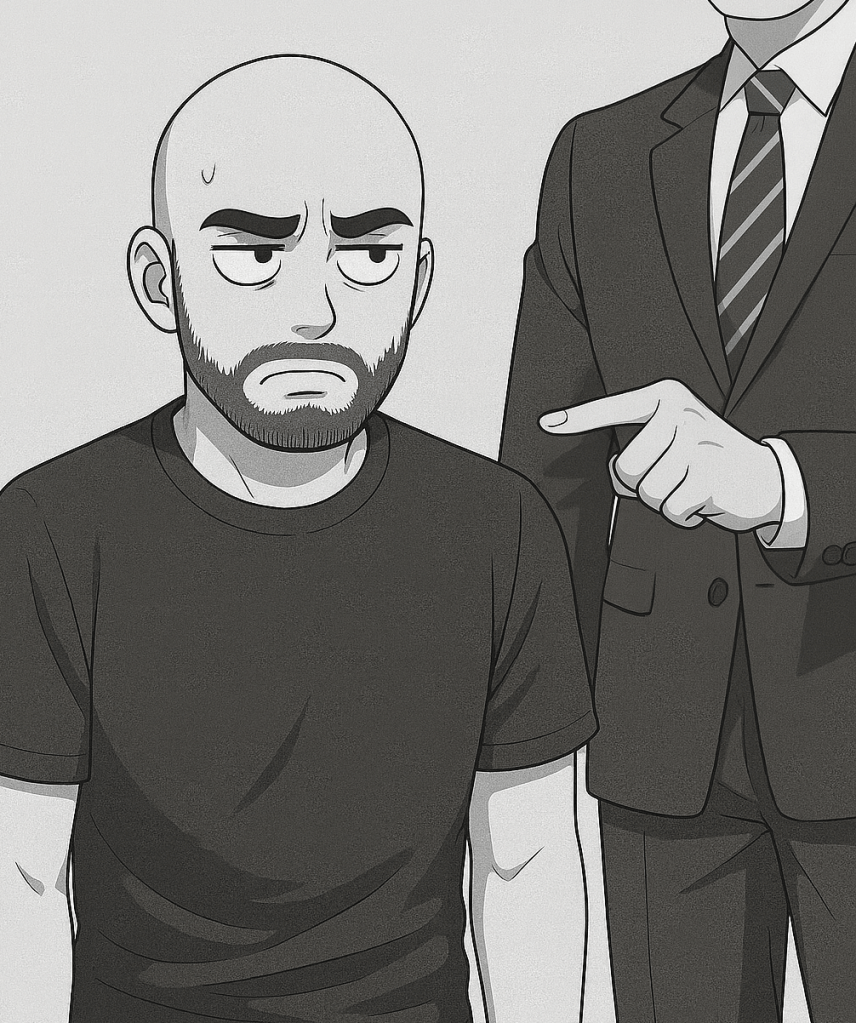
You don’t get a medal for suffering.
You don’t get promoted for enduring dysfunction.
You don’t grow from chaos, you recover from it.
People romanticize the idea that pressure builds diamonds.
Sometimes pressure just breaks good people.
People romanticize the idea that pressure builds diamonds.
Sometimes pressure just breaks good people. It doesn’t make you better. There is no gold star, and don’t convince yourself that suffering under someone terrible is going to give you street-cred. That is just not true, it never was true. Its not worth it.
If you don’t like your boss or you despise a co-worker, take the time to understand why, assess whether it’s temporary or permanent, and choose the path that protects your long-term career and identity.
Staying stuck is the only wrong answer.
 Robert Statsky