There is almost an unlimited amount of literature around about how to manage people. The topic has been written about, discussed in videos, book after book, and podcasts. People post about it daily on LinkedIn. There are different types of leadership. I have even talked about some of the ones I am more passionate about.
Ultimately I believe it comes down to a few things. What is your role within the org, who are you managing, and what is the style that comes most naturally to you.
I have seen people force a type of persona on their leadership style. It comes off awkward, and cringeworthy. It’s really difficult to watch as an employee. If you push something that is not natural to who you are, the team will instinctively reject it and think you’re a joke. So, it’s important to know what your style is and play to your strengths.
Great, so what do you do?
For me, I like to lead from the front. I want to be with my employees and help them through their issues. When in-person, which is my preferred form of management, I like to be involved with the team, get my hands dirty and work the problems with them.
There aren’t always problems though.
When everyone is just working, I like to walk the floor and ask questions, offer my support, check in on people and this also allows me to establish cross-functional relationships. How do you cross-functionally meet everyone without some sort of forced, scheduled zoom conference? That works for a time, but does it really cultivate a relationship if you have a quarterly meeting with marketing?
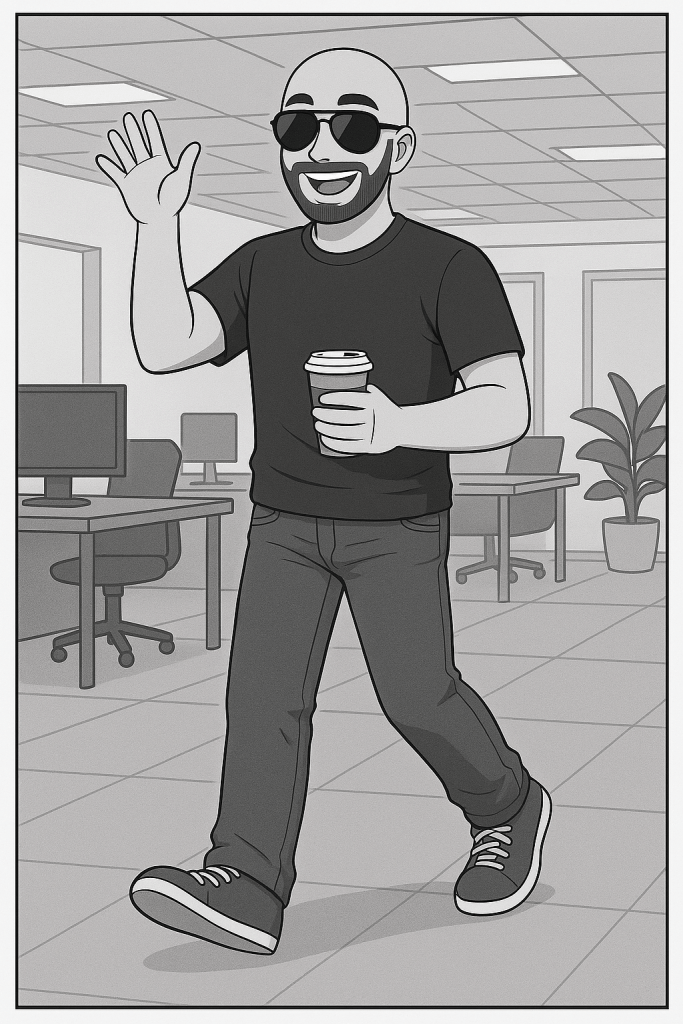
I will often talk to sales, product, marketing, finance, legal, recruiting. Even HR all in one day. That is the benefit of having an open floor plan. Maybe I am nostalgic for life pre March 2020, but that is still my preferred form of leadership/collaboration.
We’re meant to be in it together, especially when in a fast growing startup.
How better to do that than to actually be in the same room discussing the same things, and feeding off the same energy.
How I manage in-office:
- Standing desk: If you’re not sitting you’re at attention and ready to go. You’re more focused and less comfortable. I like to feel a bit sore when I get home at the end of the day.
- Sitting in the same pod/group of desks as the CSMs, Onboarding Team and Support orgs
- Close enough to the sales team so there is collaboration.
- Within distance of billing, finance and legal to work through contracts.
- Within site of Sr. leadership so they can see the high visible, highly engaged buzzing of the CS org. They can see people on the phone and on zoom, engaging with each other. Making the customer happy and getting them to renew.
Now, I am sure all of this could get done while people are remote spreadout throughout the country. In fact I’ve been doing that the past 4 years. That is the world we live in now.
However, it is not as much fun, or nearly as effective for EVERY scenario, and it does not foster the same level of collaboration.
Besides, I don’t think people crave remote work, they just crave flexibility. They want to show up when they want and leave when they want. If the work gets done, that is all anyone cares about. And if results are wanted, you can still have collaboration and get effective work done if someone comes in at 10 and leaves at 4. That still allows them to have a more relaxing commute and get home to their families. But that’s another post…

In one of my more recent roles we came together 3 days a week at a shared office space just to collaborate. We did this for 8 months before the company kickoff. When we arrived at the global kickoff, the most common theme I heard from other co-workers from around the world was the incredible collaboration my team had fostered. It 100% had to do with the fact we were in office at least 3 days a week working together to solve problems and grow from one another.
If you’re reading this and saying, well that seems obvious, it’s because it is. This is not complicated, but it is glossed over many times because there are some people that are only thinking of results or feel that culture and collaboration are a virtual happy hour and a quarterly onsite.
You can build a company many different ways. Many different founders and leaders make decisions on what type of business they want to run. I am not going to comment on that. I am not a founder, I’m just a CS leader. And the best way to collaborate on a customer team is in person, feeding off the energy of eachother. You can share all the work in a less forced way and you’ll have a much stronger, much more effective team.
If you want to build an effective customer team with collaboration, that has values and cares about outcomes. The team needs to actually care about eachother, and the best way to do that is with some form of in-person collaboration.
I realize we are not at 5 days a week in-office anymore as most companies at this point in time. But I still think that is going to be the key to getting the most effective work out of people.
As someone who has managed managers a number of times, your strongest leaders are going to be the ones that can get their hands dirty, look people in the eye and lead from the front.
If you don’t believe me, or think I’m a hack, let’s see what the AI has to tell us (Chat GPT):
Effectively managing a team in-office or in-person involves a combination of leadership, communication, and interpersonal skills. Here are some key strategies to maximize team performance in a physical workplace:
- Clear Communication:
- Foster open and transparent communication channels.
- Encourage team members to express ideas, concerns, and feedback.
- Conduct regular team meetings to discuss goals, progress, and upcoming initiatives.
- Lead by Example:
- Demonstrate the work ethic, attitude, and behavior you expect from your team.
- Exhibit professionalism, accountability, and a positive attitude in your interactions.
- Build a Positive Culture:
- Foster a positive and inclusive workplace culture.
- Encourage collaboration, mutual respect, and a sense of camaraderie among team members.
- Set Clear Expectations:
- Clearly define roles, responsibilities, and performance expectations for each team member.
- Ensure everyone understands their contribution to the team’s overall objectives.
- Provide Regular Feedback:
- Offer constructive feedback on both individual and team performance.
- Recognize and celebrate achievements, fostering a culture of appreciation.
- Professional Development:
- Support and encourage continuous learning and development.
- Provide opportunities for skill-building, training, and career growth.
- Effective Delegation:
- Delegate tasks based on individual strengths and skills.
- Empower team members by giving them ownership of specific projects or responsibilities.
- Facilitate Team Bonding:
- Organize team-building activities to strengthen relationships.
- Foster a sense of unity through shared experiences and collaborative projects.
- Address Challenges Promptly:
- Address conflicts or challenges within the team promptly and diplomatically.
- Implement solutions collaboratively, involving the team in decision-making when appropriate.
- Promote Work-Life Balance:
- Encourage a healthy work-life balance to prevent burnout.
- Be mindful of workload distribution and provide support during busy periods.
- Recognition and Rewards:
- Acknowledge and reward outstanding performance regularly.
- Consider implementing an employee recognition program to showcase achievements.
- Accessible Leadership:
- Be approachable and accessible to team members.
- Schedule regular one-on-one meetings to discuss individual goals and challenges.
- Encourage Innovation:
- Foster a culture that encourages creativity and innovation.
- Provide opportunities for team members to contribute ideas and solutions.
- Celebrate Milestones:
- Acknowledge and celebrate team and individual milestones.
- Create a positive and motivating environment by recognizing achievements.
- Adaptability:
- Be adaptable to changes in the work environment and industry trends.
- Lead the team with flexibility and resilience in the face of challenges.
By implementing these strategies, you can create a positive and productive work environment that enhances team collaboration, satisfaction, and overall success.
 Robert Statsky