Entering an organization at the management level is universally difficult, especially if there is a team already in place. I could probably just title this post “thoughts on leadership” or “leadership is difficult” or “heavy lies the crown” etc.
You need to earn trust, make an impact, hit numbers, build a team culture, get more efficient, manage up to your boss, work with customers, work cross-functionally.
You need to do all this and seem down to earth and caring and kind, and fun to work with.
It’s almost an impossible task.
So much so you often find when someone joins an org the first thing they do is exit the majority of the team in place, and bring in their “own” people. Or they build “allies” and try to understand how to ingratiate themselves with those allies who have more “pull” within the org.
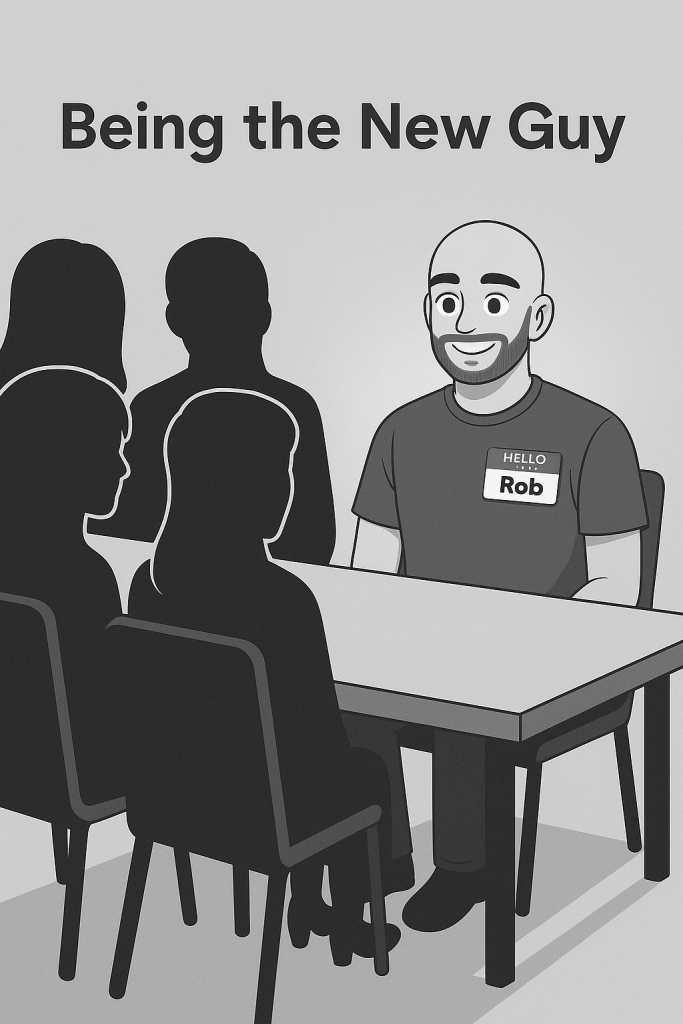
We dramatize this in our culture when the new blood shows up on a team, at a job, in jail, anywhere where someone different shows up and needs to “prove” themselves.
Having worked at a number of startups I’ve spent a lot of my time as the “new guy” trying to make an impact, and earn trust, while making a name for myself, trying not to rely too much on reputation but needing to use my background and skillsets to prove I know what I’m talking about.
I’d be a fool to sit here as I type this and say I’m an expert on the topic because I’m not, but I hope my humility and courage to admit that I don’t have all the answers helps earn some trust or at least some brownie points.
Its very hard, it will never be easy, and being liked is not the same as being trusted or respected or listened to. Having the title will not just get the team to do whatever it is you say.
So what do you do when someone who now works for you, has no desire to “play ball” or work “with you”? Well, first you need to enter the situation with an open mind, and give the “veterans” of the org (regardless of how long they have been there) the benefit of the doubt and assume they have the best intentions. Even if you know sometimes, they definitely don’t.
I think its important to evaluate and size up who you are working with as quickly as possible. Ask more questions, get as much information about them and from them as possible so you can understand how they think, how they work and how they operate.
It’s then important to understand how important that person is to the organization. What do they bring to the table, what are their strengths and weaknesses, and how valued are them within the org.
If they were more important and better at the role then you, they would be in the role, so you need to consider that when you are evaluating them. Sometimes you might come in to a situation where you have literally taken the job or promotion that this person wanted.
Again, how do you work with them? Sometimes you can’t, and that is ok. But its important to understand why they won’t allow it to work and what needs to get done.
A true mark of leadership is to be able to take the team you have, and the situation you’ve been put in, and find a way to win/get good results. At least that is a mantra I live by from a professional and personal sense.
You weren’t brought into the organization to complain about it, you were brought in to fix it, and maintain it and grow it. So get a sense of what the person who doesn’t want you there wants, how you can change their mind, if you can, and then get to work doing that.
Be open and honest with it, work with them. Don’t just pull rank and create drama. Really understand what is at play and what the person wants and is motivated by. Money? Promotion? New Responsibility? The status quo?
What is it they want, and find a way to get them that. Maybe its about moving them into a different role that plays towards their strongest skills. Maybe its just a $15k raise and a promotion and change in title. Maybe its more of a remote working agreement. There are a number of different things that just need to be worked out, but I do not believe anyone should be made to suffer through horrible toxic interactions.
I’ve had roles before where I’ve known within 4 days it wasn’t a good fit. I normally consider myself a gritty person, but there are limits to what I am willing to do, morally, ethically, and decently when it comes to managing up or down.
No job is worth compromising your beliefs. You won’t get 100% output, you won’t be at your best and no one will be happy.
But you have to at least admit that you’ve given it a chance and are willing to do what is needed to get to results that are required.
 Robert Statsky